If you are trying to choose between Brookline and a suburb farther from Boston, the real question is not simply price. It is how you want to live day to day. From commuting and errands to housing type and neighborhood layout, Brookline offers a very different experience from places like Newton, Wellesley, Needham, and Westwood. This guide will help you compare the tradeoffs so you can focus your search with more confidence. Let’s dive in.
Brookline stands apart
Brookline is one of the closest-in suburbs to downtown Boston, about four miles away. The town describes itself as a mature suburban residential community with urban characteristics, and that description fits the way many buyers experience it.
It is also a streetcar suburb with less than 6% of its land zoned commercial. That means much of Brookline feels residential, but daily life is shaped by village centers, transit access, and a more connected street pattern than you see in many outer suburbs.
Brookline has 63,266 residents in 6.8 square miles, which works out to about 9,361 people per square mile. Its median household income is $142,101, and the median value of owner-occupied housing is $1,246,800.
Daily life in Brookline
For many buyers, Brookline’s biggest advantage is not just location. It is convenience. The town’s most established commercial areas, including Coolidge Corner, Brookline Village, and Washington Square, give you recognizable places to shop, dine, and run errands without always needing to plan around a car.
Brookline also has a transportation network built around the Green Line C and D branches, with the B Line along the northern edge. Bus routes 51, 60, 65, and 66, along with Bluebikes, Zipcars, and other shared mobility options, add to that flexibility.
If your ideal routine includes shorter hops, walkable errands, and easier access to Boston without a full commuter-rail schedule, Brookline tends to stand out in this group.
Commute and mobility differences
Brookline is the most transit-friendly
Compared with other affluent Greater Boston suburbs in this set, Brookline is the most transit- and walk-friendly. Census data shows that 28% of Brookline workers drive alone, 18% use public transit, 15% walk, and 30% work from home.
That mix is quite different from the outer suburbs. In Newton, 50% of workers drive alone, 9% use public transit, and 4% walk. In Wellesley, 48% drive alone, 5% use public transit, and 10% walk. In Westwood, 60% drive alone, 5% use public transit, and 1% walk.
Brookline’s mean travel time to work is 27.1 minutes. While commute times vary widely by job location and work schedule, the broader pattern suggests Brookline offers more everyday options for getting around without depending on a car.
Outer suburbs lean more car-oriented
That does not mean the outer suburbs lack commuter access. Needham, for example, has four MBTA commuter rail stops and MBTA bus service, and its planning materials center local activity around Needham Center and Great Plain Avenue.
Still, the overall comparison is clear. As you move farther out from Brookline to places like Needham and Westwood, the lifestyle typically becomes more tied to driving and commuter rail rather than frequent transit, walking, and spontaneous errands on foot.
Housing stock shapes the feel
Brookline has more multi-unit housing
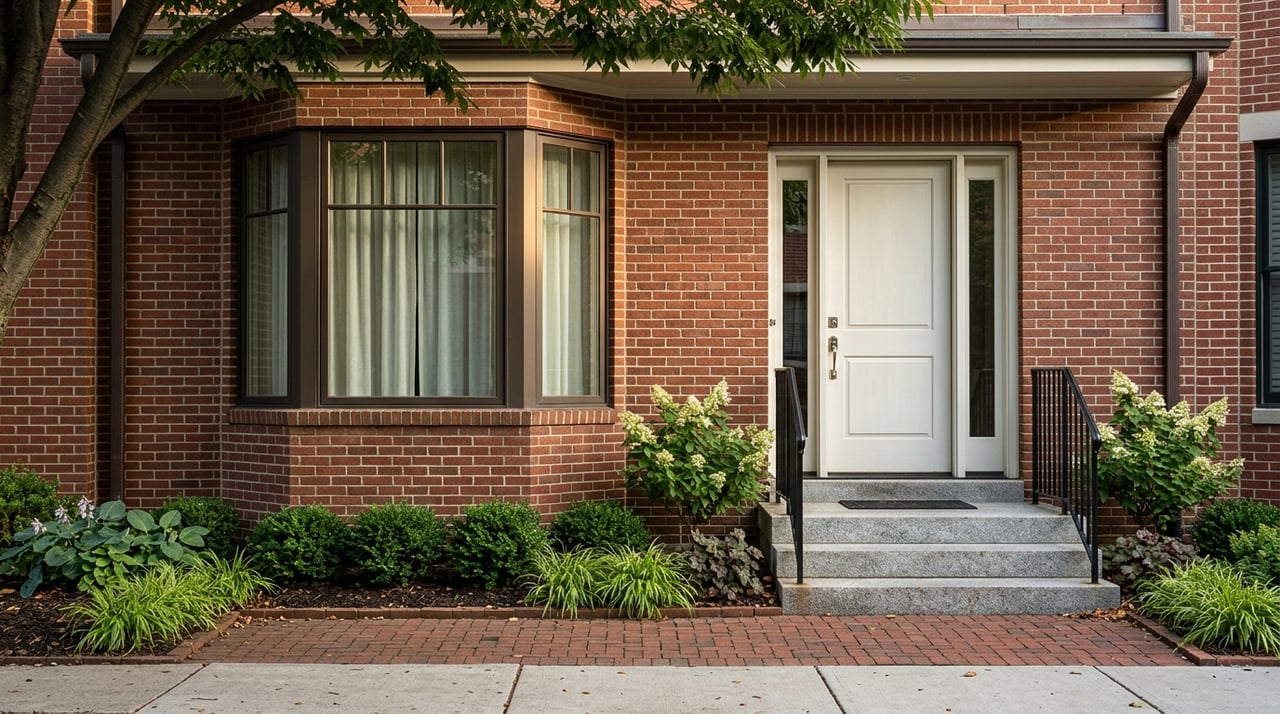
One of the most important differences between Brookline and other suburbs is the housing mix. Census Reporter shows that 76% of Brookline’s housing stock is multi-unit.
That is a major contrast with several nearby affluent suburbs. Wellesley is 85% single-unit, Needham is 80% single-unit, Westwood is 81% single-unit, and Newton is 63% single-unit.
This helps explain why Brookline often offers a stronger condo market and a larger renter presence. It also helps explain why the town can feel more compact and more closely tied to transit stops and village centers.
Outer suburbs offer a different residential pattern
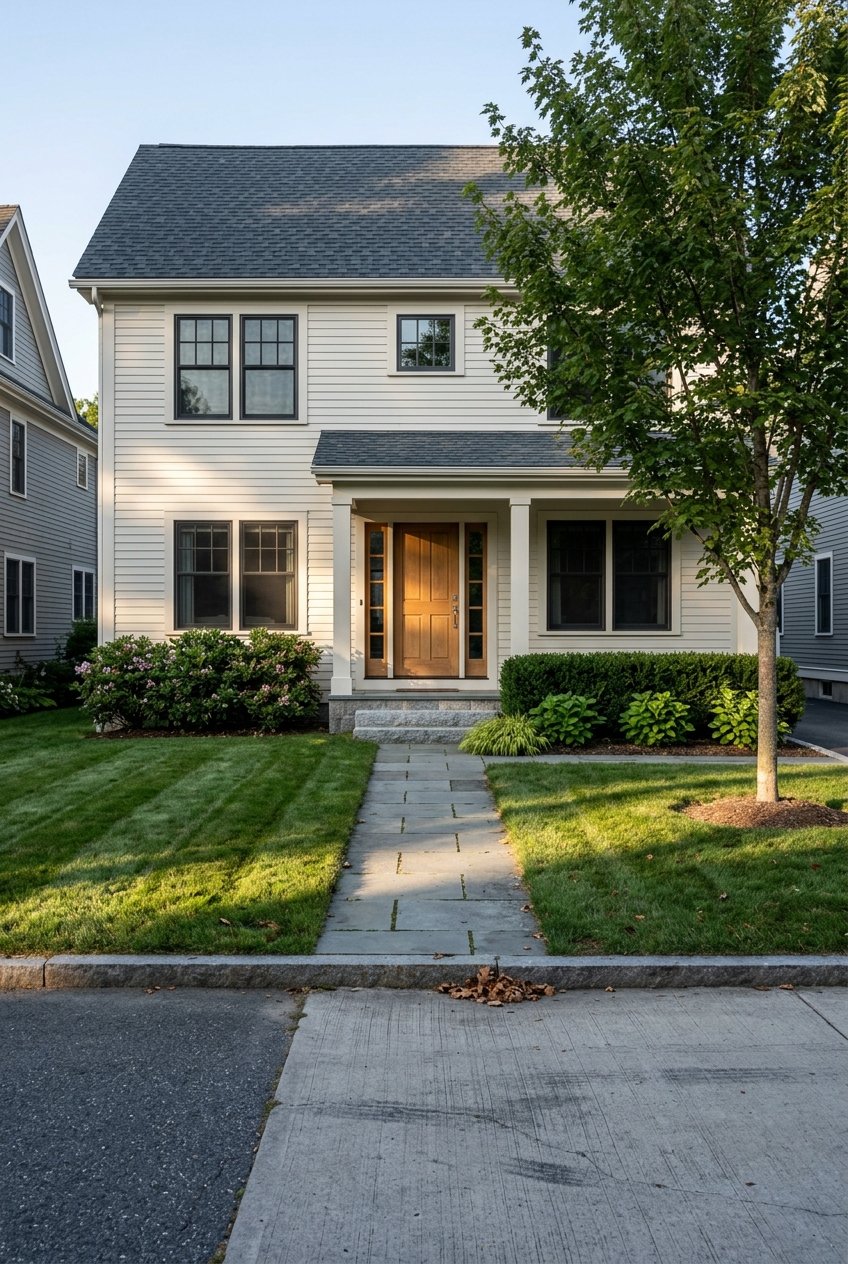
If you are looking for a more traditional detached-home suburban pattern, Wellesley, Needham, and Westwood may feel more familiar. These towns tend to be more dispersed, with daily routines shaped more by driving and commuter rail.
Newton often sits somewhere in the middle. It is still a close-in suburb with strong commuter appeal, but its housing stock and mobility patterns lean more toward single-family living than Brookline.
None of these choices is inherently better. The right fit depends on whether you prioritize walkability and mixed housing options, or a more detached-home suburban form.
How Brookline compares on price
Brookline is expensive by almost any standard, but it is not the highest-priced town in this comparison group. Over the three months ending May 2026, Brookline’s median sale price was $1,408,657.
That figure is well above Massachusetts’ median sale price of $667,628. At the same time, Newton’s median sale price was $1,659,007, Needham’s was about $1.7 million, Wellesley’s was $1,998,804, and Westwood’s was $1,147,313.
Price needs context
It is important to compare those numbers carefully. Brookline’s median sale price reflects a housing stock with far more multi-unit buildings than the outer suburbs, so it is not always an apples-to-apples comparison with towns dominated by detached single-family homes.
That is why buyers should look beyond the headline number. A town may post a higher or lower median sale price, but the housing types, lot patterns, and everyday lifestyle can be very different.
Which buyers tend to prefer Brookline
Brookline is often the strongest match for buyers who want to stay close to Boston while keeping a suburban address. It especially appeals to people who value transit access, walkability, village-scale retail, and a wider mix of condo and smaller-lot housing options.
You may also find Brookline compelling if you want more flexibility in how you move through your day. Being able to combine trains, buses, walking, rideshare, and short errands in commercial centers can be a meaningful quality-of-life advantage.
For some buyers, that tradeoff is worth accepting more density and a more multi-unit housing environment than they would see in farther-out suburbs.
When another suburb may be a better fit
Newton and Wellesley
Newton and Wellesley are often strong comparisons if you want affluent suburban living with commuter access, but with a more detached-house and car-oriented pattern than Brookline. Buyers who want more single-family inventory and a less dense setting often focus their search there.
Wellesley sits at the high end of this comparison group on median sale price. Newton also commands a premium, while offering a middle-ground lifestyle between Brookline’s urban-suburban blend and the more traditional outer suburb model.
Needham and Westwood
Needham and Westwood are useful contrasts if you want more suburban form and commuter-rail convenience, but do not need Brookline’s level of density or day-to-day transit richness. These towns tend to work well for buyers who are comfortable with a more car-dependent routine.
Westwood is the lowest-priced town in this comparison set by median sale price, though still firmly in the premium suburban category. Needham, by contrast, remains a higher-priced option with rail access and a more classic suburban pattern.
A practical way to decide
If you are comparing Brookline with suburbs farther out, it helps to rank your priorities in plain terms:
- Do you want the easiest access to Boston?
- Do you expect to walk for errands regularly?
- Do you prefer condo options or detached homes?
- Are you comfortable relying more on a car?
- Does a village-center setting matter to you?
If transit, walkability, and a close-in location sit at the top of your list, Brookline is hard to match. If you want more single-family housing and a more traditional suburban pattern, the outer suburbs may align better with your goals.
The bottom line on Brookline vs. farther out
Brookline is not simply another affluent Boston suburb. It occupies its own lane, combining close proximity to the city, a strong transit network, village-scale commercial centers, and a housing mix that is more multi-unit than most nearby competitors.
That makes it a smart option for some buyers and the wrong fit for others. The key is understanding that you are choosing a lifestyle pattern as much as a town name.
If you are weighing Brookline against Wellesley, Newton, Needham, or Westwood, a clear side-by-side strategy can save time and sharpen your search. For a private market consultation tailored to your goals across Greater Boston suburbs, connect with The Charney Group.
FAQs
How does Brookline compare to other Boston suburbs for commuting?
- Brookline stands out for transit and walkability, with 18% of workers using public transit and 15% walking, compared with lower transit and walking shares in Newton, Wellesley, and Westwood.
Is Brookline more expensive than Wellesley or Needham?
- No. Brookline’s median sale price was $1,408,657 in the three months ending May 2026, while Needham was about $1.7 million and Wellesley was $1,998,804.
What kind of housing is more common in Brookline?
- Brookline has a much more multi-unit housing stock, with 76% multi-unit housing, which supports a stronger condo market than towns like Wellesley, Needham, and Westwood.
Is Brookline a good fit if you want walkable errands?
- Brookline is one of the strongest options in this comparison set for walkable daily life, thanks to village centers like Coolidge Corner, Brookline Village, and Washington Square.
How is Brookline different from Needham and Westwood?
- Brookline offers a denser, closer-in, more transit-rich lifestyle, while Needham and Westwood lean more toward commuter rail, driving, and a more traditional suburban layout.
Should you choose Brookline or a suburb farther out?
- Brookline may suit you best if you value transit, walkability, and mixed housing close to Boston. A farther-out suburb may be a better fit if you prefer a more detached-home, car-oriented suburban pattern.