Brookline homes went under agreement in about 19 days on average over the three months ending in May 2026, according to Redfin's tracking of the market, with the median sale price running near $1.4 million, up 3.2 percent year over year. Zillow's estimate, updated through June 2026, put the typical home going to pending in about 9 days. However you measure it, offers are coming in inside three weeks, often inside two.
None of that tells you how long it takes to actually close. And if your house sits inside one of Brookline's nine Local Historic Districts, or you're the buyer planning to touch the exterior the week after you get the keys, the gap between "under agreement" and "at the closing table" can run longer than the entire time it took to find a buyer.
Nine districts, one commission, and a house that almost didn't survive
Brookline has designated nine Local Historic Districts through Town Meeting votes stretching back nearly fifty years: Cottage Farm (1979), Pill Hill (1983), Graffam-McKay (2004), Chestnut Hill North and Harvard Avenue (both 2005), Lawrence (2011), Wild-Sargent (2012), Crowninshield (2015), and Olmsted-Richardson (2022). Together they cover a few hundred properties, not the whole town, but the mix inside them runs from grand single-family homes to modest two-families, so district membership isn't something you can guess from curb appeal alone.
The newest of the nine has a story worth knowing if you want to understand how seriously the Brookline Preservation Commission takes its job. The home at 25 Cottage Street belonged to architect H.H. Richardson. After his heirs sold it in 1999, the house sat as an endangered property, landing on Preservation Massachusetts' list of the state's most threatened historic resources in 2004 and the National Trust for Historic Preservation's list of 11 most endangered properties nationally in 2007. A developer bought the Richardson house and the neighboring Cliffside at 222 Warren Street, home to landscape architect John Charles Olmsted, in December 2020 and committed to working with the Commission rather than around it. Town Meeting approved the Olmsted-Richardson Thematic Local Historic District in the fall of 2021, and it took effect as Brookline's ninth district in June 2022 following review by the Attorney General's office. Because the buildings had deteriorated too far to fully relocate, the Preservation Commission's published case history shows the developer documented both structures with archival photography and measured drawings, funded a public interpretive sign, and arranged for Richardson's bedroom and staircase to be salvaged and eventually reinstalled at a museum tied to the Richardson-Olmsted National Historic Landmark Complex in Buffalo.
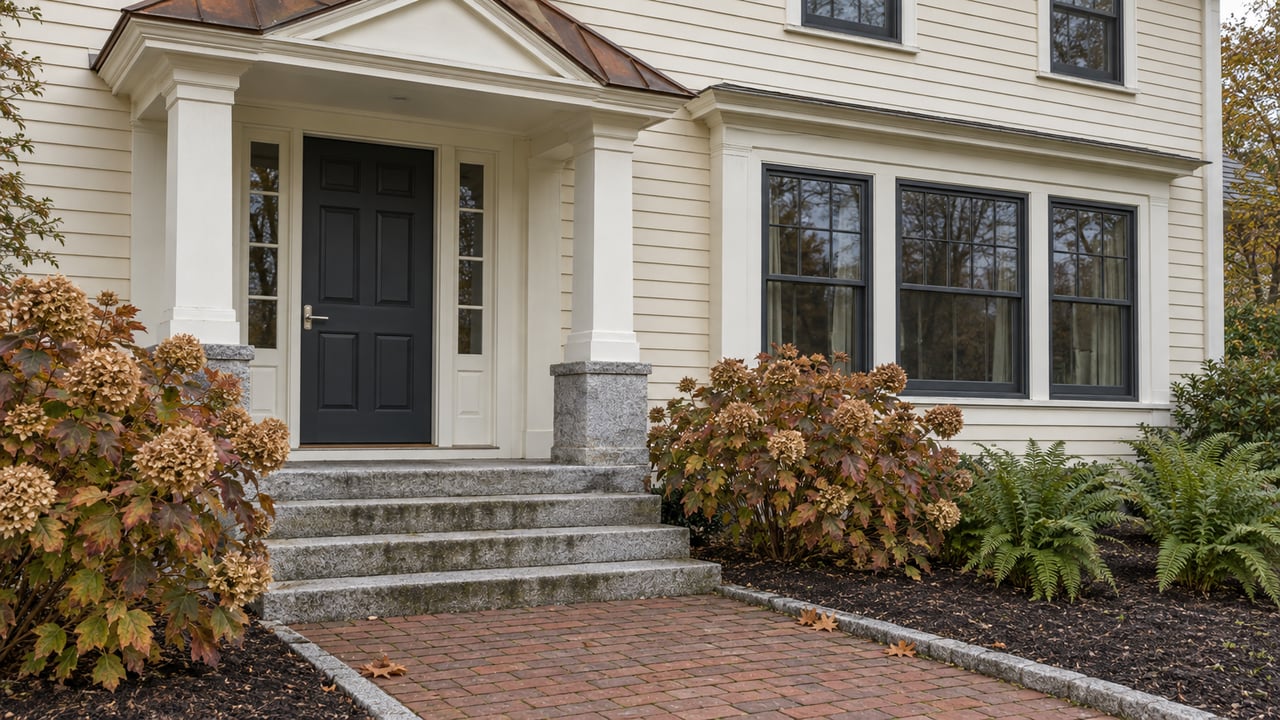
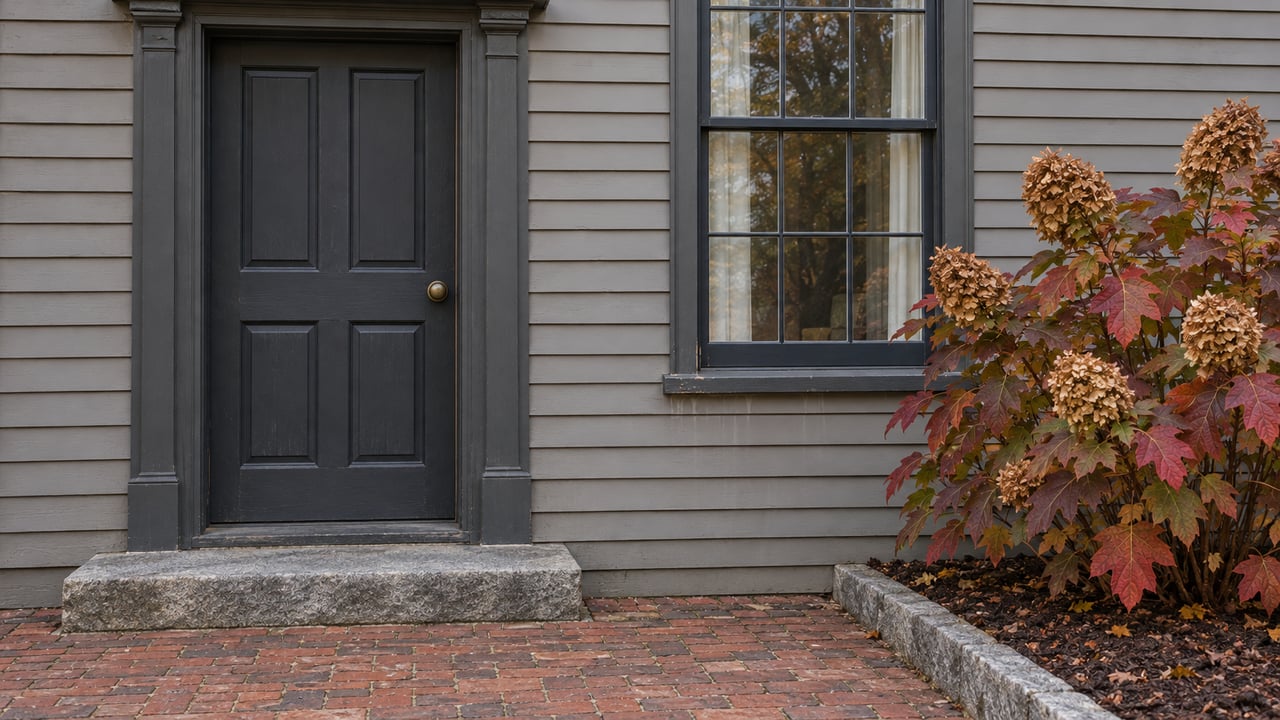
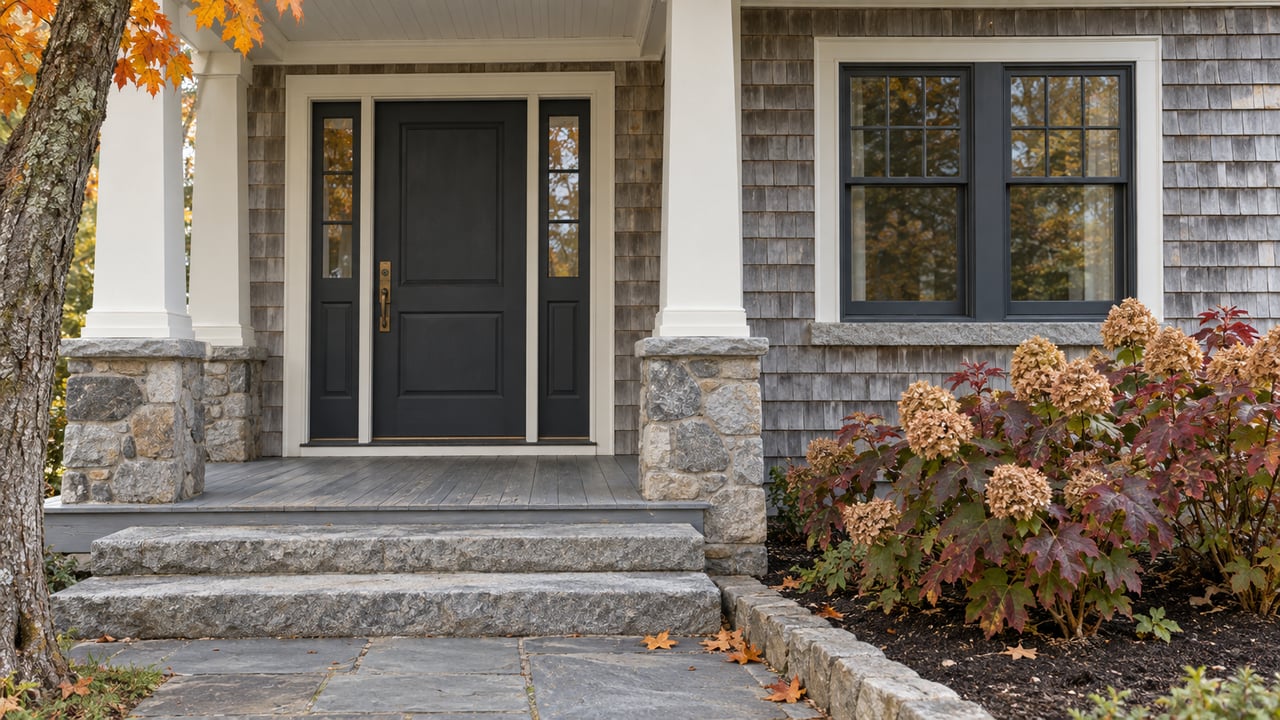
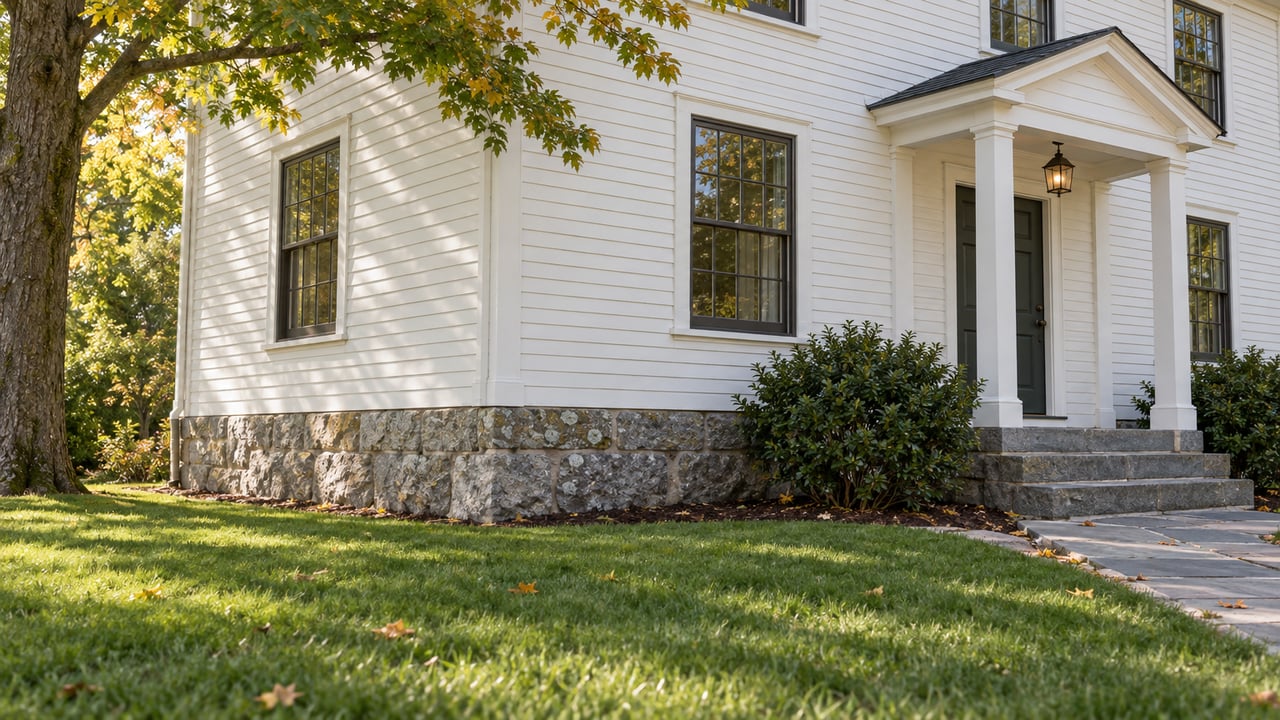
You don't need a National Historic Landmark to trigger the same basic process. You need a porch railing visible from Warren Street, or a window replacement visible from the sidewalk on Wellington Terrace in Pill Hill. The review that saved the Richardson house and the review that covers your new front door are the same review, just at a different scale.
What actually triggers a review, and what doesn't
The Commission's authority only reaches exterior features visible from a public street, way, park, or body of water. Staff makes that visibility call, standing on the sidewalk if needed. Inside that boundary, three outcomes are possible, and the Design Guidelines for Local Historic Districts spell out the fees and process for each:
| Certificate | When it applies | Cost | What happens next |
|---|---|---|---|
| Certificate of Non-Applicability | Work isn't visible from a public way, or it's like-kind repair with no change to material or design | $20 | Chair issues it; building permit can be pulled without a hearing |
| Certificate of Appropriateness, staff level | Minor or minimally visible changes | Brookline's Local Historic Districts page lists $2 per $1,000 of estimated project cost, minimum $50 | A "Ten Day Letter" goes to abutters and commissioners; if no objection arrives in 10 days, approval follows |
| Certificate of Appropriateness, full hearing | Visible exterior changes that don't qualify for staff-level review | Same sliding fee | According to Brookline's redline working draft of the LHD Guidelines, 14-day advance notice to abutters is followed by a vote at the Commission's monthly meeting |
| Certificate of Hardship | Filed after a denial, or when a condition specific to the property creates real hardship | Same sliding fee | Case-by-case public hearing |
The Commission itself estimates the full process can run anywhere from two weeks to six weeks or more, depending on where your application lands relative to the monthly meeting calendar. Retroactive applications, filed after work has already started, triple the fee.
None of this is punitive. It exists because Town Meeting decided these blocks are worth protecting, and the guidelines explicitly favor repairing original materials like windows over replacing them. But a seller who plans to swap out a visible railing or add a rear deck before listing, and doesn't check district status first, can find the timeline eating into the very speed that's supposed to be Brookline's selling point.
The second clock: a certificate with a limited validity period
Every home sale in Massachusetts, historic district or not, needs a Certificate of Compliance from the local fire department confirming smoke and carbon monoxide alarms meet code. This comes from state law, not town bylaw. Mass.gov's own guidance walks sellers through figuring out which standard applies based on when the home was built and when it was last permitted for renovation, because the required alarm type and placement shift by construction era.
According to LegalClarity's Massachusetts smoke-detector regulations guide, the certificate is only good for 60 days from issuance. Fire departments often book two to three weeks out, so a seller who waits until an accepted offer to schedule the inspection is already tight against a closing date that could move for financing, appraisal, or, in a historic district, a Preservation Commission timeline still in progress.
Where the two clocks collide
Here is the part that a fast market obscures rather than solves. A house in one of Brookline's nine districts that needs exterior work before it photographs well for listing, and also needs its smoke certificate before closing, is running two separate government processes that don't know or care about each other. If the LHD review stretches past six weeks because an application landed after a meeting cutoff, and the smoke certificate was pulled early to get it out of the way, that certificate can expire before the deal is anywhere near the closing table. Re-inspection is usually straightforward, but it's one more appointment to coordinate on top of a closing that's already been pushed by preservation review.
For buyers, the mirror image applies. If your offer strategy assumes you'll start renovating the exterior the week after closing, and the property sits in Pill Hill or Cottage Farm, check the Commission's process before you close. Waiving a due diligence contingency to compete in a market moving this fast is one thing. Waiving it without checking district status first means finding out about the Commission's process after you've already closed.
A sequence that avoids most of this friction looks like:
- Confirm whether the property sits in a Local Historic District before listing or writing an offer, using the town's district maps rather than assuming based on the home's age or neighborhood.
- If exterior work is planned, request a preliminary consultation with Preservation Commission staff early to learn which certificate track you're on before you've ordered materials.
- Schedule the fire department smoke and CO inspection as soon as the home is listed, not after an offer is accepted, to leave room for a normal closing timeline.
- If a Preservation Commission hearing is still pending near your target closing date, coordinate with your closing attorney on whether the smoke certificate needs to be re-timed rather than treating both as independent checkboxes.
Frequently asked questions
What if the change I'm making faces my backyard, not the street? If Preservation Commission staff determines the work isn't visible from a public way, park, or water body, it typically qualifies for a Certificate of Non-Applicability at the $20 fee, without a hearing.
Can I use old smoke detectors alongside new ones to save money? Guidance generally discourages mixing types and ages within an interconnected system, since your system needs to match the standard tied to your home's construction year, and mismatched brands or ages are a common reason inspections fail on the first try.
Whether you're weighing an exterior refresh before listing a Pill Hill two-family or evaluating a Cottage Farm property you'd want to renovate after closing, the two timelines above are worth mapping before you sign anything. The Charney Group works both sides of that equation, brokerage and development, and can help you sequence a Brookline sale or purchase around the approvals that actually control your closing date. Schedule a private market consultation to walk through your specific address and timeline.
This article is general information, not legal, tax or financial advice. Consult a qualified professional about your situation.