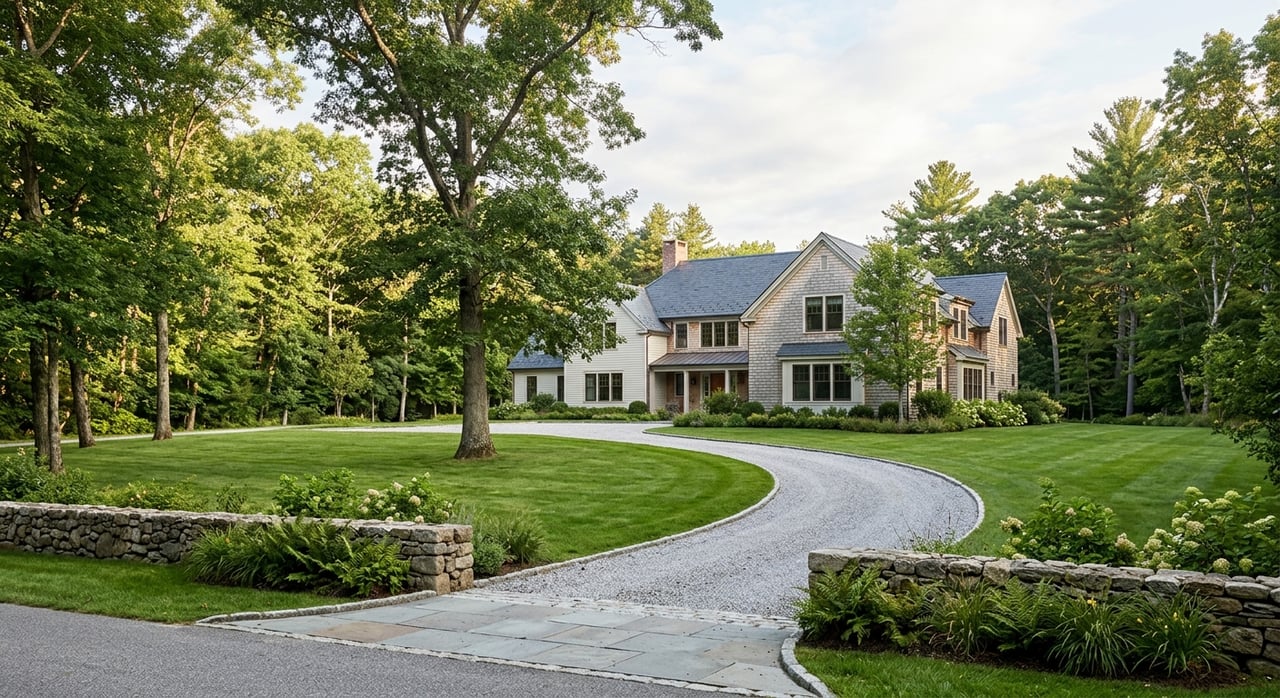
Are you looking for a town where space is not just a selling point, but part of daily life? If you are drawn to larger lots, quieter roads, and room to breathe without losing access to Greater Boston, Weston stands out for a reason. Understanding how that space shows up in your routine can help you decide whether the town fits the way you want to live. Let’s take a closer look.
Why Weston Feels Spacious
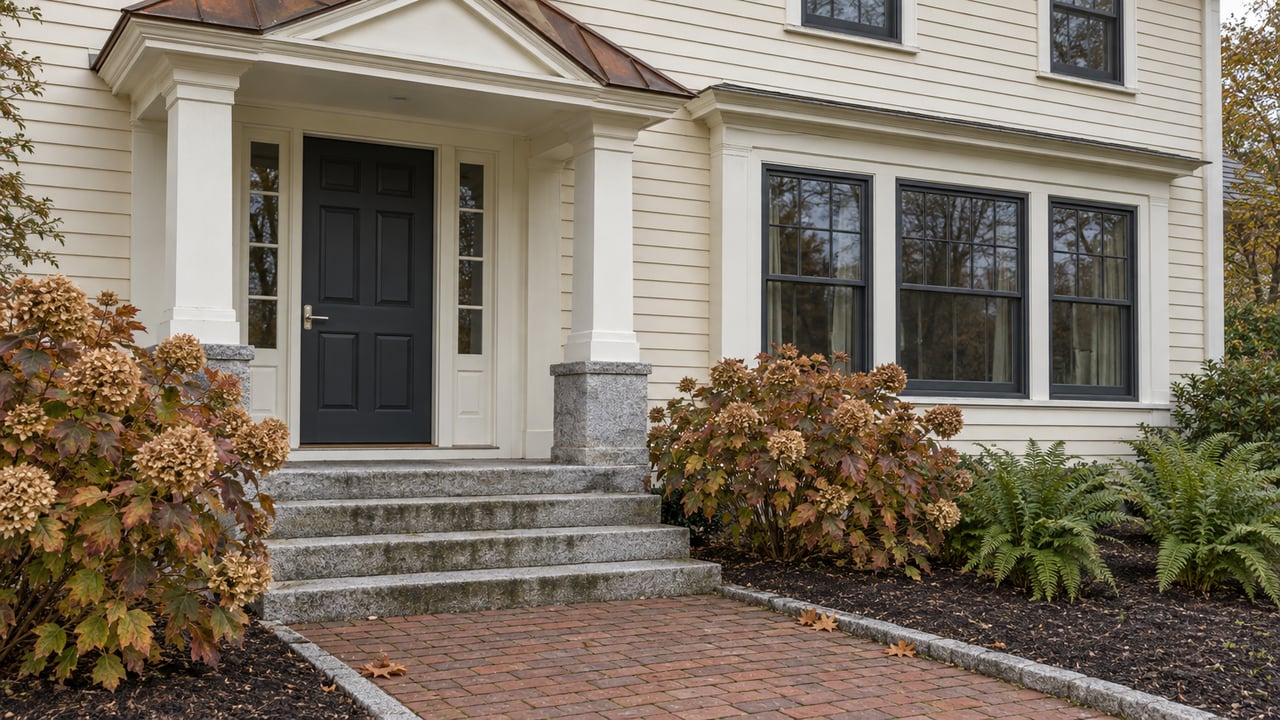
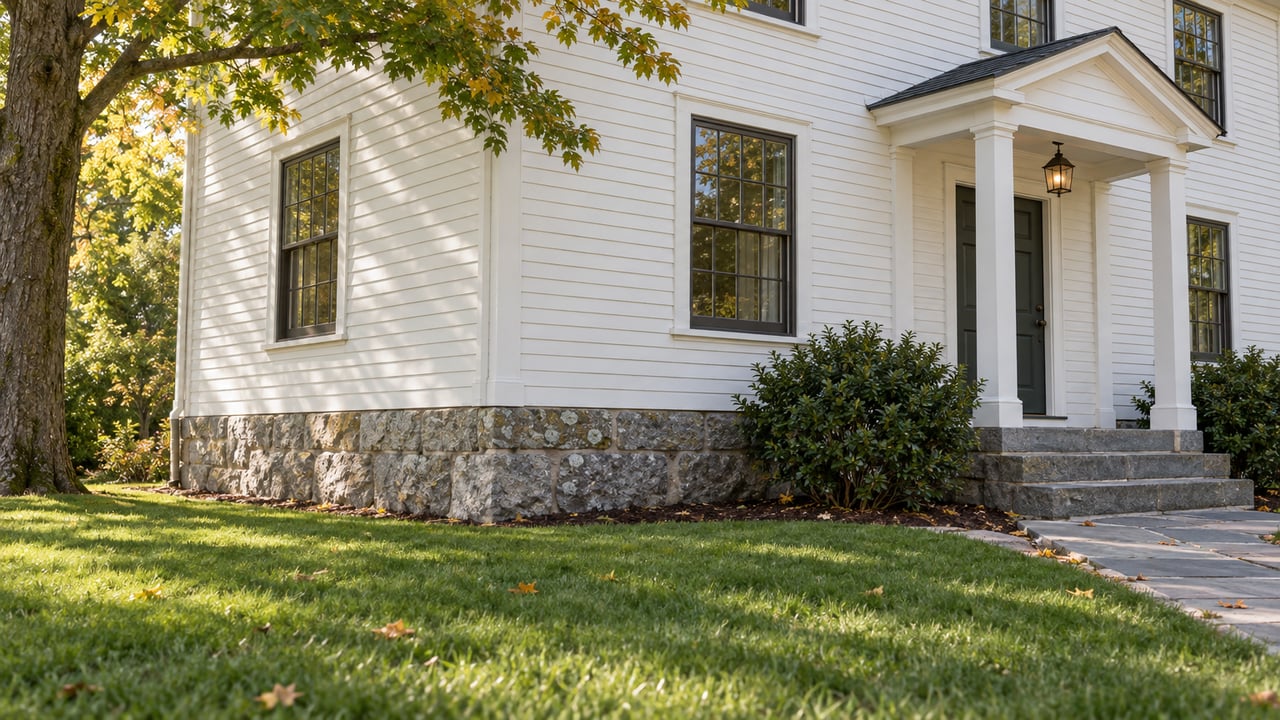
Weston’s sense of space starts with how the town is built. In its single-family residence districts, minimum lot sizes range from 20,000 to 60,000 square feet, depending on the district, with frontage requirements from 150 to 250 feet. In practical terms, that means larger yards, more separation between homes, and a lower-density feel baked into the town’s zoning.
That pattern is reinforced in many of Weston’s historic scenic-road areas. The town describes these roads as narrow, curving roadways with mature street trees, stone walls, naturalistic landscaping, and informal right-of-way treatment. If you value privacy and a more landscape-driven setting, that character can shape how a neighborhood feels every day.
Some parts of Weston make that spaciousness especially easy to picture. Town history materials describe Love Lane as roughly 100 acres with only 14 houses and about 20 outbuildings, while the Chestnut Street Area includes parcels ranging from one-third of an acre to more than 10 acres. On Sudbury Road, a quarter-mile stretch encompasses more than 40 acres, with conservation land along the road and additional protected land behind many homes.
How Space Shapes Daily Routines
In Weston, space is not limited to what happens on your own property. The town’s overall layout creates a daily rhythm that feels quieter, greener, and more spread out than many close-in suburbs. That can mean less visual density, more natural screening, and a stronger connection to the landscape around you.
For many buyers, that changes the feel of ordinary moments. A morning walk, time outdoors at home, or even a drive through town can feel less hurried because the built environment is less compact. Weston’s roadways, setbacks, and open land all contribute to that experience.
If you are comparing Weston with denser suburban markets, this is an important distinction. The town center is compact, but much of the residential experience is shaped by land, topography, and preserved natural features rather than tightly clustered development. That is a big part of Weston’s appeal for space seekers.
Outdoor Life Is Part of Everyday Living
Weston treats open space as a major part of town life. Town sources say the Conservation Commission manages about 1,800 acres of conservation land, while other conservation materials describe approximately 2,000 acres of protected land open for passive recreation. The town’s open-space planning also points to trails, working farms and forests, wildlife habitat, streams and ponds, parks, fields, courts, and swimming facilities.
That means outdoor access is not a special occasion activity. It is part of how many people use the town week to week. If you want nearby places to walk, explore, or simply spend time outside, Weston offers a wide range of options.
The trail network is especially notable. Weston maintains about 90 miles of trails, fire roads, and hilltop outlooks, with mapped areas that include Case Estates, Cat Rock and 80 Acres, College Pond, Jericho Town Forest, Ogilvie Town Forest, Sears Land, and Weston Reservoir. The town also highlights recommended walks at College Pond, Sunset Corner, and Sears Land.
Weston’s outdoor setting also extends beyond wooded trail systems. Conservation and historic-area materials describe open fields, meadows, horse paddocks, stone walls, and naturalistic plantings as recurring parts of the landscape. On the north side of town, the state-owned Mass Central Rail Trail adds a three-mile multi-use path for walking, biking, and riding.
What the Town Center Offers
If you are wondering whether a spacious town can still feel connected, Weston’s center gives some context. The Town Green District is described by the town as the heart of Weston, surrounded by the church, library, town hall, and Josiah Smith Tavern. Its early 20th-century redesign aimed to create a village common, which helps explain why the center feels civic and historic rather than heavily commercial.
That matters if you want a community core without the intensity of a larger retail district. Weston’s center is modest in scale, and that is part of its identity. It gives you a place for errands, public buildings, and community life while keeping the town’s overall character small-scale.
The town is also continuing to invest in that core. According to Weston, the Town Center Improvement Project is focused on pedestrian and traffic safety, parking availability, public activity space, accessibility, drainage, and street trees. The town describes it as the largest road construction project in Weston’s history.
Another local asset is the Weston Art & Innovation Center, which opened in the Old Library as a branch of the public library. It offers hands-on art and technology programming and adds to the town’s civic and cultural mix. For residents, that means the center is not only functional, but also part of the town’s shared activity space.
Getting Around Weston Day to Day
Weston is connected, but it is not transit-dense. The town has direct access to Routes 30, 117, and 128/I-95, along with U.S. 20 and the Massachusetts Turnpike. For many households, that road network is a big part of how daily movement works.
Commuter rail is also part of the picture. Weston notes that rail service to North Station is available from Hastings and Kendal Green. Kendal Green has 56 parking spaces, with half designated for residents, while Hastings has no MBTA parking.
At the same time, the town states that there is currently no bus service in Weston. So if you are evaluating convenience, it helps to think of Weston as a car-oriented town with commuter rail as a useful secondary option. For many buyers seeking privacy and lower density, that tradeoff is part of the package.
Is Weston a Good Fit for Space Seekers?
Weston tends to appeal to buyers who want room around them and a setting shaped by land rather than density. The town’s zoning framework, scenic roads, conservation land, and trail system all support that experience in a concrete way. This is not just an image or a reputation. It is visible in the town’s physical structure.
It can also be a strong fit if you value a quieter everyday pace. Weston offers a compact civic center and regional transportation access, but much of the town’s identity comes from open land, established residential patterns, and a more spread-out feel. If that is what you are looking for, Weston delivers it with unusual consistency.
For buyers making a move within Greater Boston’s premium suburban markets, the key is understanding how Weston’s spaciousness aligns with your routine. Some people want a busier, more walkable commercial district close at hand. Others want larger lots, a green setting, and a community core that stays intentionally modest.
If you are weighing those tradeoffs, Weston is best understood as a town where privacy, outdoor access, and low-density living are part of daily life, not occasional perks.
If you are considering a move to Weston and want a measured, local perspective on how the town fits your goals, The Charney Group can help you evaluate the market with clarity and discretion.
FAQs
What makes Weston, MA feel more spacious than other suburbs?
- Weston’s single-family zoning requires minimum lot sizes from 20,000 to 60,000 square feet, along with substantial frontage requirements, which helps create larger yards, more setbacks, and greater distance between homes.
Does Weston, MA have enough outdoor space for everyday use?
- Yes. Town materials describe about 1,800 to 2,000 acres of conservation and protected land, plus roughly 90 miles of trails, fire roads, and outlooks for passive recreation.
What is daily life in Weston, MA like?
- Weston’s everyday feel is quiet, green, and spread out, with larger residential lots, nearby trails and conservation land, a compact civic center, and road and rail access to the surrounding region.
Is Weston, MA walkable for errands and activities?
- Weston has a compact town center with civic buildings and community amenities, but it is not a dense, retail-heavy environment. Much of daily transportation still leans toward driving.
Does Weston, MA have public transportation options?
- Weston has commuter rail access from Hastings and Kendal Green, but the town states there is currently no bus service.
Is Weston, MA a good place to look for privacy?
- Weston is often appealing to privacy-minded buyers because its zoning, scenic-road character, and conservation patterns support a lower-density residential setting with more separation between homes.