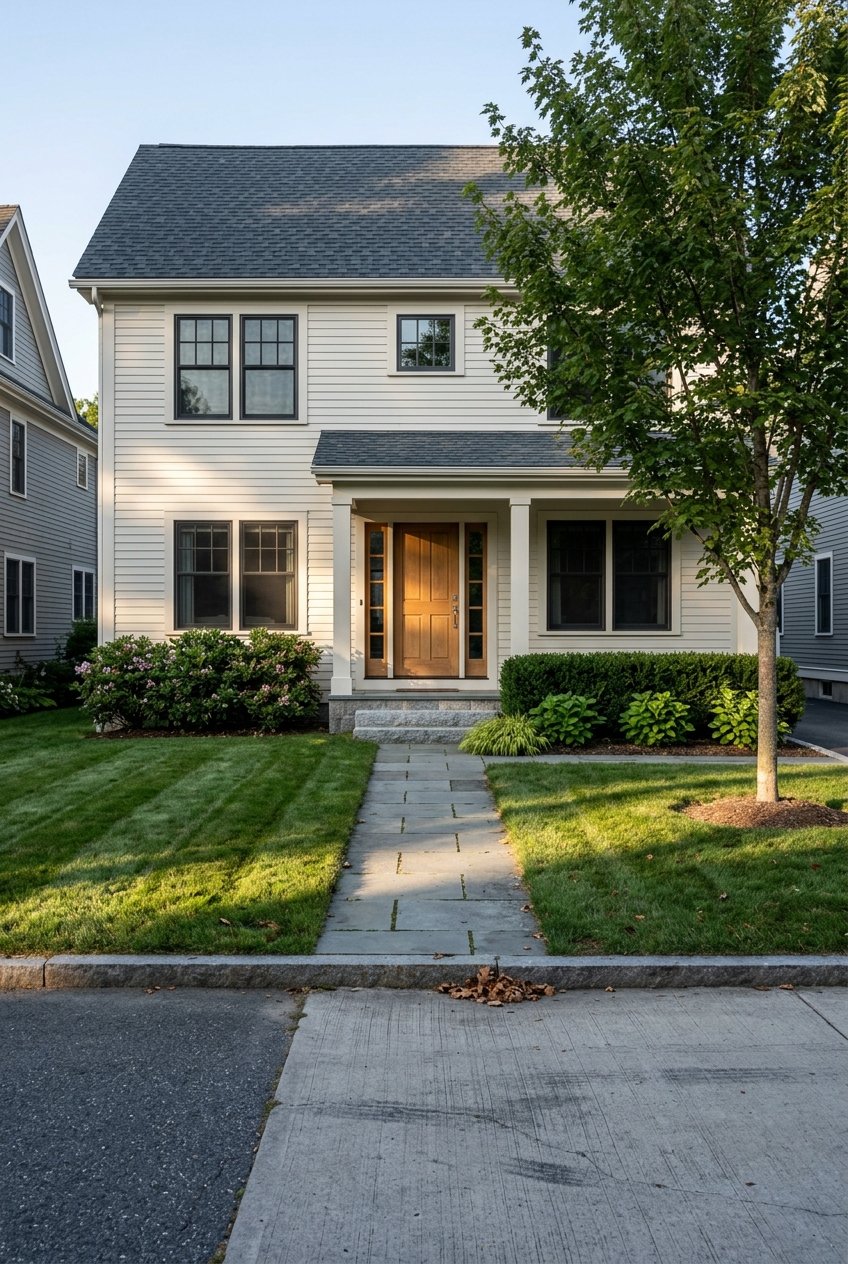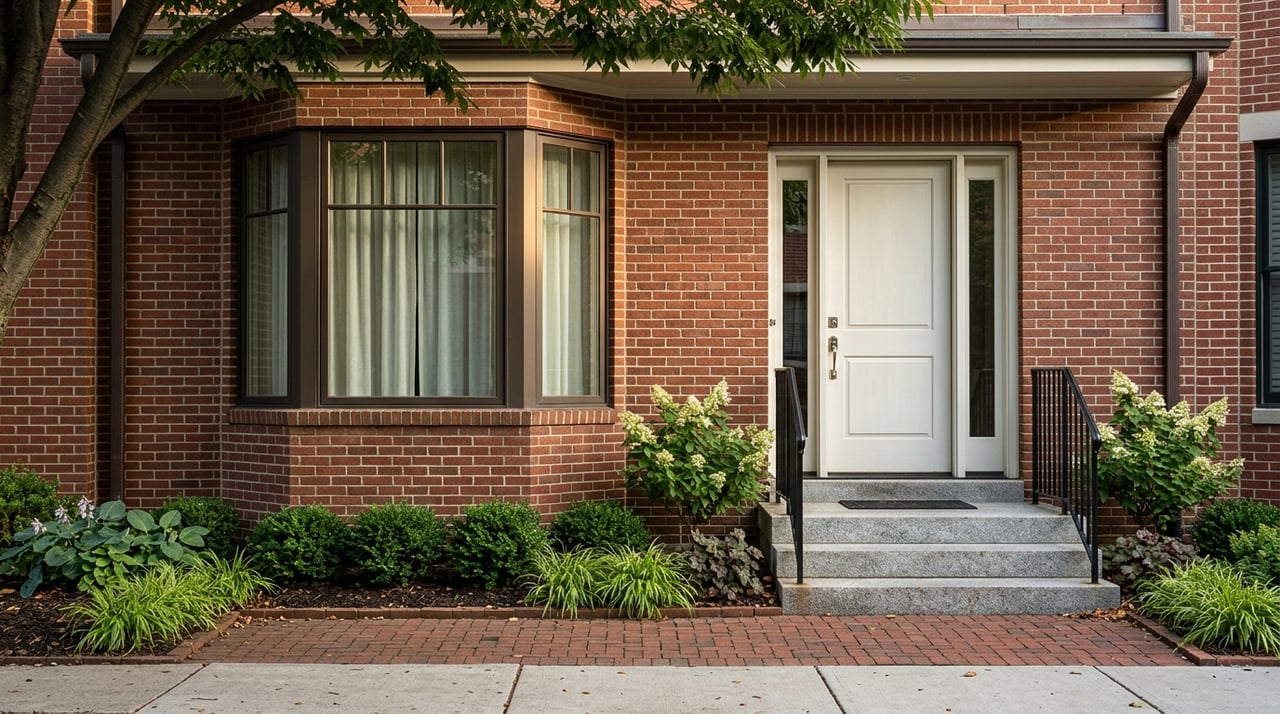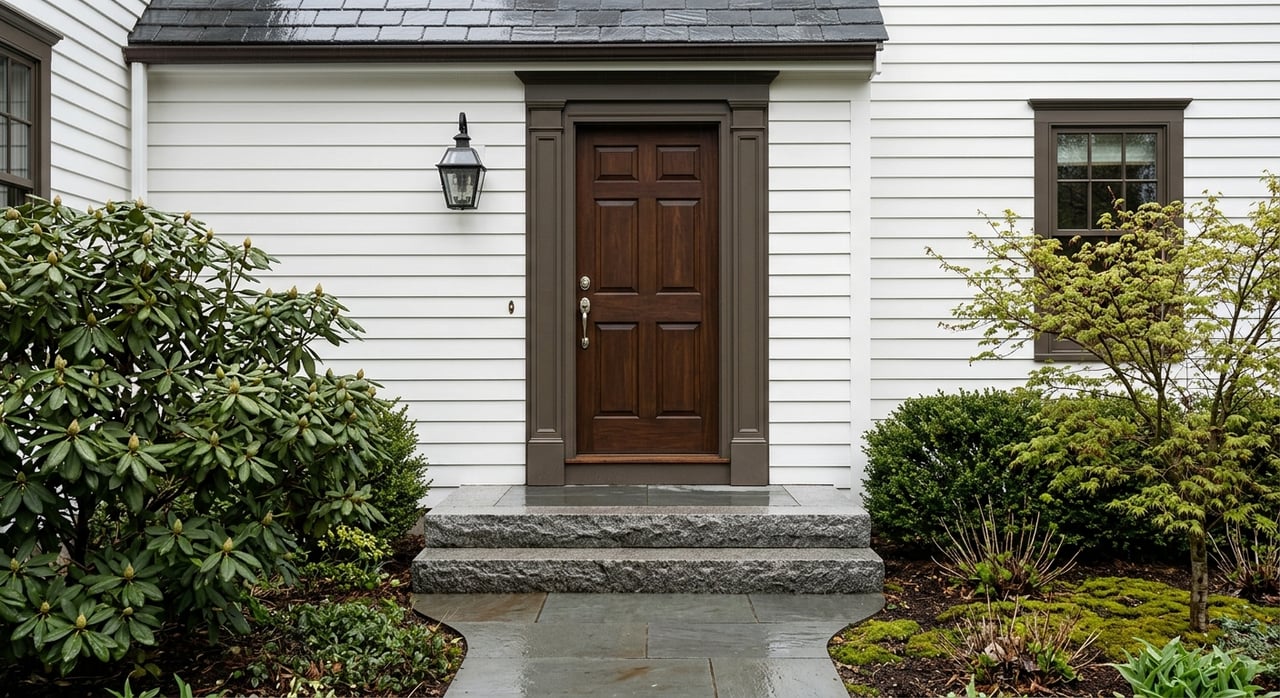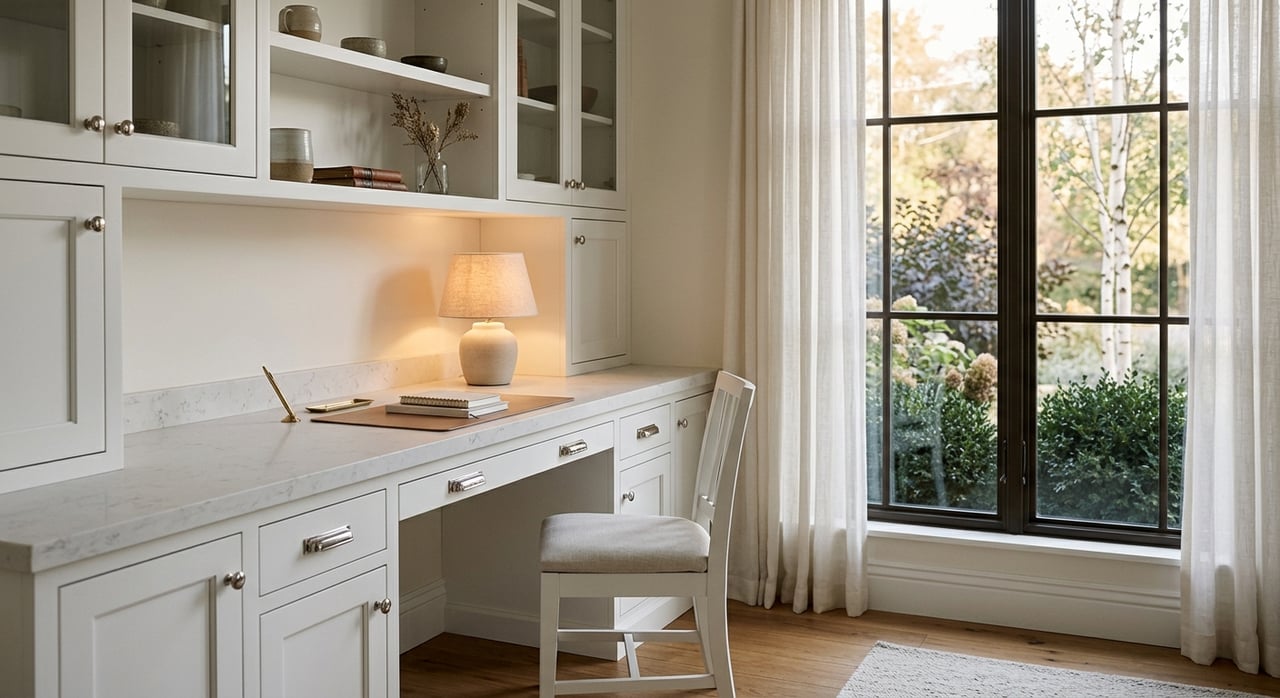
Are you wondering whether downsizing in Wellesley means selling your home, renovating it, or simply planning ahead before making any big decision? That question is more common than many homeowners expect, especially when a house that once fit your life now feels like more space, upkeep, or stairs than you want. A thoughtful downsizing move starts with clarity, not chaos, and the right plan can help you protect both your comfort and your finances. Let’s dive in.
Start With Your Real Goal
Before you sort closets or call movers, it helps to define what you want your next chapter to look like. For some homeowners in Wellesley, the goal is less maintenance. For others, it is better accessibility, being closer to family, reducing stairs, or having more day-to-day support.
That goal should shape every decision that follows. If you know what matters most, it becomes much easier to decide whether staying put, moving to a smaller home, or exploring a senior-focused setting makes the most sense.
Consider Staying in Your Current Home
Downsizing does not always mean moving. In some cases, your current home may still work well if it can be adapted to fit your needs more comfortably over time.
Massachusetts says home modifications can include changes such as ramps, stair lifts, and roll-in showers. The state’s Home Modification Loan Program also offers zero-interest deferred-payment loans for eligible Massachusetts residents who are over 60 or have a disability. If your location, layout, and support network still fit your life, updating the house may be a practical alternative to selling right away.
Use Wellesley’s Local Support Early
If you are not sure where to begin, the Wellesley Council on Aging can be a helpful first stop. The Council on Aging serves adults age 60 and older, along with families and caregivers, and offers social services, meals, transportation services, and referrals to elder-care resources.
It can also meet with a resident or family member at home or in the office to discuss community service options. In Wellesley, the Council on Aging is located at the Tolles Parsons Center, 500 Washington Street, and its current hours are Monday through Friday, 9 a.m. to 4 p.m. The phone number listed by the town is 781-235-3961.
Build the Financial Plan Early
One of the biggest downsizing mistakes is waiting too long to review the numbers. A move can affect your monthly cash flow, property taxes, and timing, so it helps to map out the financial side before you commit to a sale.
In Wellesley, the town offers several tax-relief programs for seniors, including a senior exemption, senior tax deferral, and senior work-off program. The town says tax-relief applications are due annually by April 1. According to the FY26 senior exemption guide, eligible seniors may receive a $1,000 reduction.
The senior tax deferral program works differently. The FY26 guide says deferred taxes are repaid with interest when the property is sold, transferred, or the estate is settled, and the FY26 interest rate is 3.78%. The town also notes that filing does not stay tax payment, which makes it important to confirm the current rules and deadlines before making final plans.
Massachusetts also offers a refundable Senior Circuit Breaker credit for taxpayers age 65 or older. For homeowners, the credit is based on property taxes paid on a principal residence, and for renters it is based on rent. The tax burden must exceed 10% of income, and for homeowners, half of water and sewer costs are included in that test.
If your downsizing plan includes a sale, it is also wise to budget for transaction costs. Massachusetts imposes a deeds excise on real estate transfers, so your closing plan should account for that along with standard selling expenses and any tax questions tied to your current home.
Sort Belongings Before You Set a Date
A thoughtful downsizing move usually goes more smoothly when you rightsize your belongings before you lock in a moving date. That gives you room to make better decisions without the pressure of a closing calendar.
A simple room-by-room system often works best. Measure the next home first, then decide what furniture and household items truly fit. From there, sort everything else into clear groups such as keep, gift, donate, sell, archive, or discard.
For many longtime homeowners, the hardest categories are not everyday items. It is often paper files, photos, inherited pieces, and larger furniture that suited a bigger house but may not fit a smaller home or condo. If family members are involved, especially from a distance, build in extra time for their input.
Compare Your Next Housing Option
Once you know your goals and budget, the next step is choosing the right type of home. In Massachusetts, that may mean a smaller single-family house, a condo, congregate housing, assisted living, or a continuing care retirement community.
Each option serves a different purpose. The best fit depends on how much independence, support, maintenance relief, and long-term flexibility you want.
Smaller House or Condo
A smaller single-family home can preserve privacy and independence while reducing upkeep. A condo may further reduce exterior maintenance responsibilities, which can appeal to homeowners who are tired of yardwork, snow removal, or managing a larger property.
Still, it is important to look beyond the sale price or mortgage payment. Condo or HOA dues are usually separate from the mortgage, and those dues can range from a few hundred dollars per month to more than $1,000. For a downsizer, the key question is what those dues actually cover, such as exterior maintenance, landscaping, snow removal, reserve funding, amenities, and repair risk.
Assisted Living
Assisted living is designed for adults who can live independently but may need help with daily tasks. Massachusetts says this can include support with housekeeping, meal preparation, bathing, dressing, or medication assistance.
It is also important to understand what assisted living is not. According to Massachusetts, assisted living residences do not provide medical or nursing services. That distinction matters when you are planning for both current needs and future changes.
Congregate Housing
Congregate housing can be a useful middle-ground option. In Massachusetts, this type of housing provides private bedrooms with shared kitchen, dining, and bathroom areas.
It is intended for residents who are capable of independent living and do not need 24-hour care. For someone who wants more support and structure than a private home offers, but less than assisted living, this can be worth exploring.
Continuing Care Retirement Communities
Continuing care retirement communities, often called CCRCs or life plan communities, combine housing, services, and health care in one location. Massachusetts says these communities typically include independent living, assisted living, and nursing care on one campus.
They also usually involve both an entrance fee and a monthly fee. Because of that, a CCRC should be treated as its own budgeting exercise rather than compared too casually with a traditional condo purchase.
Plan Around Family and Care Needs
Downsizing decisions are often tied to more than square footage. You may be thinking about caregiving, future mobility, estate planning, or simply wanting to make life easier for yourself and your family.
That is one reason local support matters. The Wellesley Council on Aging can help connect residents and families to transportation, home care, adult day care, nursing homes, and related resources. If adult children or caregivers are helping coordinate the move, having a local point of contact can make the process more manageable.
Create a Practical Downsizing Timeline
A calm move usually comes from a realistic sequence of steps. Instead of treating downsizing as one big event, it helps to break it into manageable phases.
A practical approach often looks like this:
- Define your main goal for the next home or decide whether aging in place is still viable
- Review local support options, including the Wellesley Council on Aging
- Build your budget, including taxes, selling costs, and ongoing monthly expenses
- Compare housing types based on support needs, accessibility, and upkeep
- Measure the next space and begin sorting belongings room by room
- Confirm key deadlines for any local tax-relief applications
- Prepare your current home for sale only after your broader plan is clear
This order can help you avoid rushed decisions. It also gives you a better chance of aligning the move with your financial, family, and lifestyle goals.
Why Thoughtful Planning Matters in Wellesley
In Wellesley, many homeowners have spent years or decades in the same property. That means downsizing often involves not just a real estate decision, but also questions about timing, household logistics, and what kind of daily life you want next.
A thoughtful plan helps you move from uncertainty to confidence. When you start with your goals, use local resources, and understand the financial details early, you can make choices that fit your life now and support the years ahead.
If you are considering a downsizing move in Wellesley and want a private, tailored strategy for timing, pricing, and next-step planning, The Charney Group can help you evaluate your options with clarity and care.
FAQs
What does downsizing in Wellesley usually involve?
- Downsizing in Wellesley often involves deciding whether to stay in your current home with modifications or move to a smaller home, condo, or senior-focused housing option while also planning for taxes, cash flow, and family needs.
What resources are available for older adults in Wellesley?
- The Wellesley Council on Aging offers social services, meals, transportation services, and referrals for older adults age 60 and older, along with support for families and caregivers.
What are Wellesley senior tax relief deadlines?
- The town says senior tax-relief applications in Wellesley are due annually by April 1.
What is the Wellesley senior property tax exemption amount?
- According to the FY26 senior exemption guide, eligible seniors may receive a $1,000 reduction.
What should you know about Wellesley senior tax deferral?
- The FY26 guide says deferred taxes are repaid with interest when the property is sold, transferred, or the estate is settled, and the FY26 interest rate is 3.78%.
What home modification help is available in Massachusetts?
- Massachusetts says home modifications can include ramps, stair lifts, and roll-in showers, and the Home Modification Loan Program offers zero-interest deferred-payment loans for eligible residents over 60 or with a disability.
How is assisted living different from independent living in Massachusetts?
- Massachusetts says assisted living is for adults who can live independently but may need help with daily tasks, and it does not provide medical or nursing services.
What is congregate housing in Massachusetts?
- Massachusetts describes congregate housing as private bedrooms with shared kitchen, dining, and bathroom areas for residents who can live independently and do not need 24-hour care.
What should you budget for when moving from a Wellesley home to a condo?
- In addition to mortgage or purchase costs, you should review condo or HOA dues carefully because they are usually separate from the mortgage and may cover maintenance, landscaping, snow removal, reserves, amenities, and certain repair obligations.