If you want a town that feels connected, walkable, and polished without giving up easy access to Boston, Brookline is one of the first places worth a closer look. Many buyers are drawn to it for its village feel, transit options, and historic character, but daily life here can look different from what you might expect in a typical suburb. This guide will help you understand how Brookline works, what everyday routines feel like, and why it continues to stand out in Greater Boston. Let’s dive in.
Brookline at a Glance
Brookline is a town in Norfolk County with an estimated 63,925 residents as of July 1, 2024, according to the U.S. Census QuickFacts for Brookline. It is dense by suburban standards, with 9,347.8 people per square mile, which helps explain why it feels more active and connected than many nearby communities.
Brookline also reads as a premium housing market. Census data show a median owner-occupied home value of $1,246,800, a median gross rent of $2,835, and a median household income of $142,101. In practical terms, that means you are looking at a town with strong demand, high housing costs, and a lifestyle that leans closer to close-in urban living than conventional suburbia.
Daily Life Feels Village-Based
One of the most important things to know about Brookline is that it does not revolve around a single downtown. Instead, everyday life tends to center around distinct village areas like Coolidge Corner, Brookline Village, Washington Square, and JFK Crossing, as highlighted on the town’s Places to Visit page.
That setup shapes how you experience the town. Rather than driving to one central district for everything, you are more likely to build your routine around the village closest to home, whether that means grabbing coffee, picking up groceries, meeting friends for dinner, or running a few errands on foot.
Coolidge Corner
Coolidge Corner is one of Brookline’s best-known hubs, with a strong mix of shopping, culture, and everyday convenience. The area is also home to the Coolidge Corner Theatre, which expanded in 2024 with two new theaters, a larger lobby, and an education and community engagement center.
You also have local staples like Brookline Booksmith at 279 Harvard Street. Altogether, Coolidge Corner gives Brookline a lively, independent, and arts-forward feel that sets it apart from many suburban town centers.
Brookline Village and Washington Square
According to the town’s visitor materials, Brookline Village is a natural stop for meals and casual outings, while Washington Square is known for its restaurant scene and growing dining options. These areas help reinforce Brookline’s pattern of smaller, walkable centers rather than one dominant commercial core.
For you as a resident, that can make the town feel more layered and more personal. Different parts of Brookline have different rhythms, and that variety is a big part of the appeal.
Parks and Outdoor Space Matter Here
Brookline offers a strong balance of density and green space. That is one of the reasons the town can feel active and convenient without feeling overly hardscaped or crowded.
The Brookline Reservoir Park is a standout. It spans 32 acres and includes a loop of roughly one mile around the water, making it a practical option for walking, running, fishing, or a quiet break in the middle of the day.
Another major asset is Larz Anderson Park, the town’s largest park at more than 65 acres. The town notes that it includes fields, a community garden, a skating rink, ponds, trails, and views toward Boston, which gives it a broader recreational role than a simple neighborhood park.
You also have places like Hall’s Pond Sanctuary and Olmsted Park, which is part of the Emerald Necklace and includes ponds, bridges, wooded areas, and 17 acres of forest cover. Brookline’s official visitor resources also point people toward walking tours and neighborhood exploration, which says a lot about how the town is meant to be enjoyed.
Brookline Is Transit-Friendly
If commute flexibility matters to you, Brookline has a real advantage. The town is notably transit-rich for a close-in suburb, and that can support a more car-light routine than you might expect.
The Town of Brookline’s transportation page notes that the MBTA Green Line C branch runs along Beacon Street through St. Mary’s, Coolidge Corner, and Cleveland Circle. The D branch runs from the Longwood Medical Area through Brookline Village to Reservoir Station and Cleveland Circle, and the B branch serves the northern edge of town.
Brookline is also served by MBTA bus routes 51, 60, 65, and 66, with Route 66 linking Brookline Village and Coolidge Corner to Harvard Square. The town also highlights Bluebikes, Zipcar, and The Ride as additional mobility options.
For many residents, that means Boston, Longwood, and parts of Cambridge are realistically accessible without relying on a long daily drive. Census data show a mean commute time of 27.1 minutes, which fits Brookline’s identity as an inner suburb with multiple ways to get around.
Housing Has Historic Character
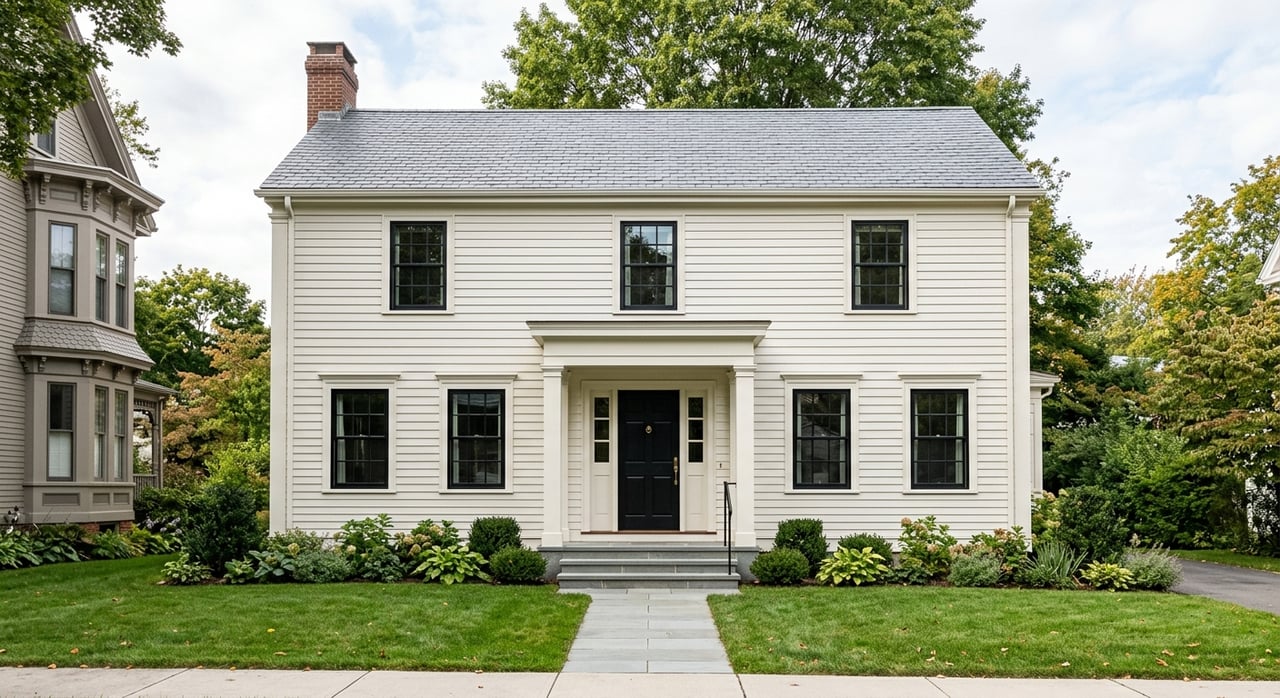
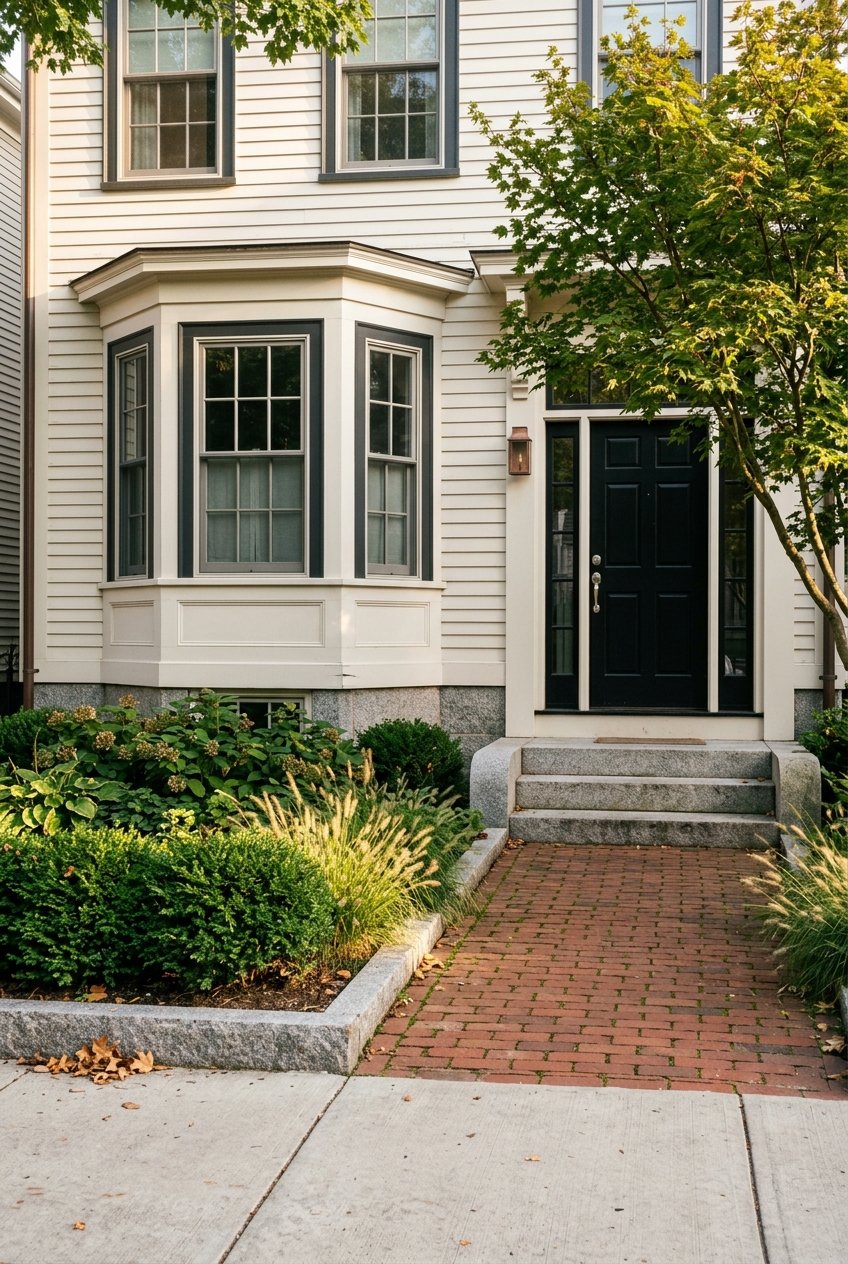
Brookline’s housing stock feels established, layered, and distinctly local. A big reason is preservation.
The town recognizes eight local historic districts and more than 80 National or State Register individual listings, according to Brookline’s Local Historic Districts page. In local historic districts, exterior changes generally require town review, which helps preserve the visual character that makes many parts of Brookline feel so consistent and well-defined.
For you as a buyer, that often translates into housing with architectural presence and neighborhood identity. It can also mean a market shaped less by large-scale new construction and more by older homes, carefully maintained buildings, and context-sensitive updates.
Owners and Renters Both Shape the Market
Brookline is not solely an owner-occupied town. Census figures show an owner-occupied housing rate of 46.9% and 27,587 households, which points to a meaningful mix of owners and renters.
That mix contributes to the town’s energy and flexibility. At the same time, the price points and preservation structure reinforce that Brookline is firmly in the premium tier of the Greater Boston market.
Schools Are Part of the Town Story
For many buyers, Brookline Public Schools are an important part of the conversation. The district includes Brookline High School, the Brookline Early Education Program, and multiple elementary schools, as shown on the Brookline Public Schools website.
From a lifestyle perspective, that matters because Brookline functions as a full school district rather than a one-school town. Combined with parks, village centers, and transit access, that structure adds to Brookline’s appeal for households looking for a close-in suburban setting with a wide range of day-to-day resources.
What Brookline Feels Like Day to Day
So, what is it actually like to live in Brookline? In many ways, it feels like a hybrid between city and suburb.
You get a dense, walkable environment with local business districts, cultural institutions, and public transit that can make everyday life easier. At the same time, you also get neighborhood streets, substantial green space, and a housing stock that often feels more rooted and residential than what you would find in central Boston.
Brookline also tends to feel highly structured and established. Its villages are well defined, its parks are part of regular life, and its historic framework gives many areas a strong sense of continuity.
The trade-off, of course, is cost. Housing here is expensive by almost any standard, and that alone will shape your options. But for buyers who value location, character, walkability, and access, Brookline offers a lifestyle that is hard to replicate elsewhere in Greater Boston.
Is Brookline Right for You?
Brookline may be a strong fit if you want:
- A close-in location with access to Boston
- Village-style daily living instead of one central downtown
- Transit options that support a lighter car lifestyle
- Historic housing character and established neighborhoods
- Parks and outdoor space woven into everyday routines
- A premium market with a polished, urban-meets-suburban feel
If your priorities lean toward larger lots, lower price points, or a more traditional suburban layout, Brookline may feel different from what you are looking for. But if you want convenience, character, and a distinctive sense of place, it remains one of the most compelling communities in the area.
If you are considering a move to Brookline or comparing it with other Greater Boston communities, working with an advisor who understands premium suburban markets can help you weigh the trade-offs clearly. The Charney Group offers a private, consultative approach for buyers and sellers who want thoughtful guidance in complex, high-value markets.
FAQs
What is daily life like in Brookline, MA?
- Daily life in Brookline is typically organized around village centers such as Coolidge Corner, Brookline Village, Washington Square, and JFK Crossing, with errands, dining, and local outings often happening close to home.
What is the commute like from Brookline to Boston?
- Brookline has strong transit access through the MBTA Green Line branches, several bus routes, and other mobility options, and the mean commute time is 27.1 minutes according to Census data.
What kind of housing is common in Brookline, MA?
- Brookline is known for established housing with historic character, and the town’s preservation framework helps maintain an architecturally layered and neighborhood-specific feel.
Are there parks and outdoor spaces in Brookline?
- Yes. Brookline includes Brookline Reservoir Park, Larz Anderson Park, Hall’s Pond Sanctuary, and Olmsted Park, giving residents access to walking paths, trails, ponds, and open space.
Is Brookline, MA expensive?
- Brookline is a premium-priced market, with Census data showing a median owner-occupied home value of $1,246,800 and a median gross rent of $2,835.
Does Brookline have public schools?
- Yes. Brookline Public Schools includes Brookline High School, the Brookline Early Education Program, and multiple elementary schools within the district.