Looking for a village setting that feels connected, practical, and distinctly Wellesley? Wellesley Hills stands out for exactly that reason. If you are exploring where to live in Wellesley, this guide will help you picture the rhythm of daily life, from errands and commuting to outdoor time and housing character. Let’s dive in.
Wellesley Hills at a glance
Wellesley Hills is one of Wellesley’s traditional villages, and the town treats it as part of the community’s core commercial fabric. That matters because it gives the area a true village-center feel rather than the feel of a standalone shopping strip.
You can see that identity in the mix of civic and everyday destinations. The Hills Branch Library on Washington Street serves as a neighborhood-scale anchor, while the town also recognizes Wellesley Hills as one of its three major business districts.
What daily life feels like
One of the most local things about Wellesley Hills is how many regular routines can happen close together. You can picture grabbing coffee, running errands, stopping by the library, and heading to the train without covering much ground.
Linden Square adds a big part of that convenience. Its official description highlights restaurants and cafés, spa and fitness services, a grocery store, dry cleaner, bank, and boutiques, along with ample free surface parking.
The current directory reinforces that practical mix. It includes Roche Bros., Tatte Bakery & Cafe, Club Pilates, StretchLab, Talbots, Eastern Bank, Citgo, and other retailers and services. The town also identifies Whole Foods on Washington Street as another grocery anchor in the same corridor.
Getting around Wellesley Hills
If commuter access is part of your decision, Wellesley Hills offers useful options. The town specifically names Wellesley Hills as one of Wellesley’s commuter rail access points on the Framingham/Worcester line.
Wellesley’s current mobility information also notes three regional rail stops town-wide, car-free options through Catch Connect, and Route 1 service along Route 9. The town’s transportation guide adds that bike racks are available at all three commuter rail stations.
Parking is part of the picture too. According to the town, the business districts include metered on-street parking as well as off-street commuter and business lots, with discounted resident annual passes available.
That does not mean every household can skip a car entirely. But it does mean you may not need to drive for every errand, train trip, or quick outing.
Outdoor access is a major draw
For many buyers, the biggest lifestyle advantage in Wellesley Hills is outdoor access. The town says Wellesley has 47 miles of trails marked with color-coded arrows, which makes the trail system a meaningful part of everyday life.
The standout feature is Fuller Brook Park, also described by the town as the Brook Path. It is the town’s most popular trail for walking, jogging, and bicycling, and it runs through a 35-acre linear park along Fuller and Caroline Brooks.
The path is ADA-compliant and surfaced with stone dust. It also passes a range of civic and natural features, including Skating Pond, Memorial Grove, Hunnewell Field, Philips Park, and stretches of wetland and woodland.
For Wellesley Hills specifically, one detail stands out. The northern section ends on Washington Street in Wellesley Hills, across from Clock Tower Park, which helps connect outdoor recreation directly to the village center.
Historic character shapes the setting
Wellesley Hills feels established, and there is a clear reason for that. Both Fuller Brook Park and the Wellesley Hills Branch Library are listed on the National Register of Historic Places.
That historic presence adds texture to daily life without making the area feel frozen in time. In practice, it creates a setting where preserved civic landmarks and active public spaces sit side by side.
Wellesley also has a strong preservation culture. The town uses local historic districts and neighborhood conservation districts to help maintain neighborhood character, and its Historic District Commission reviews exterior changes within certain protected areas.
What homes in Wellesley Hills tend to look like
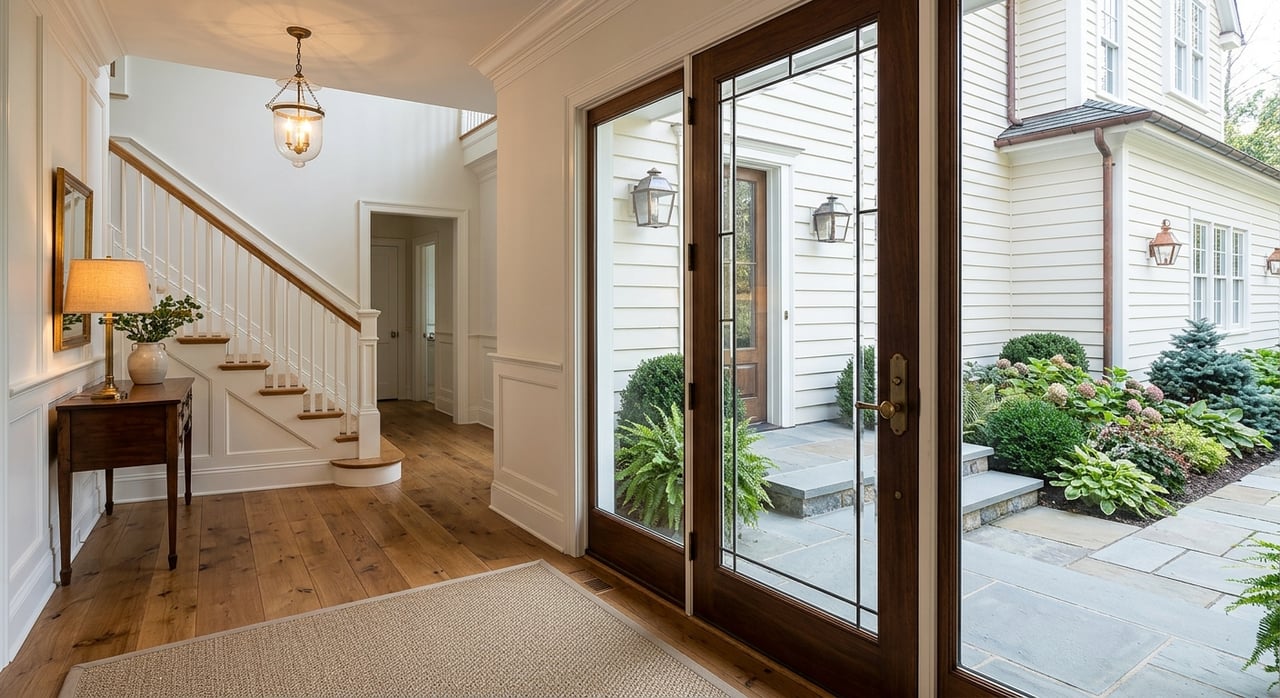
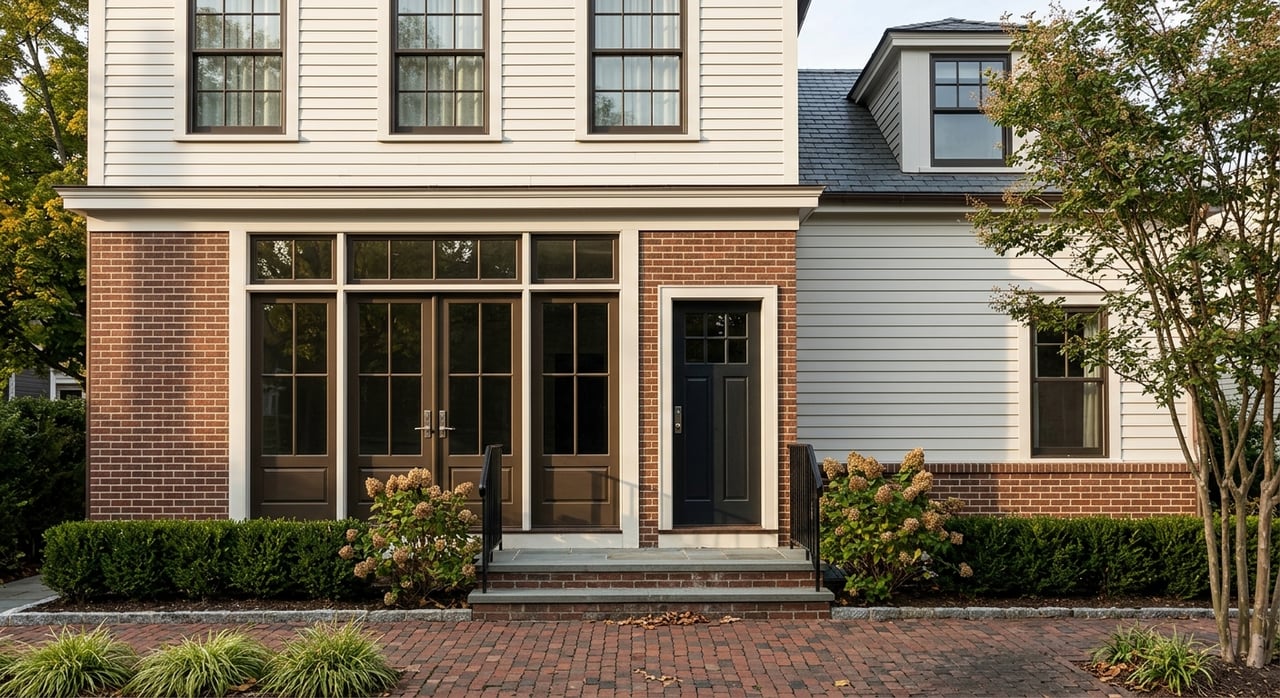
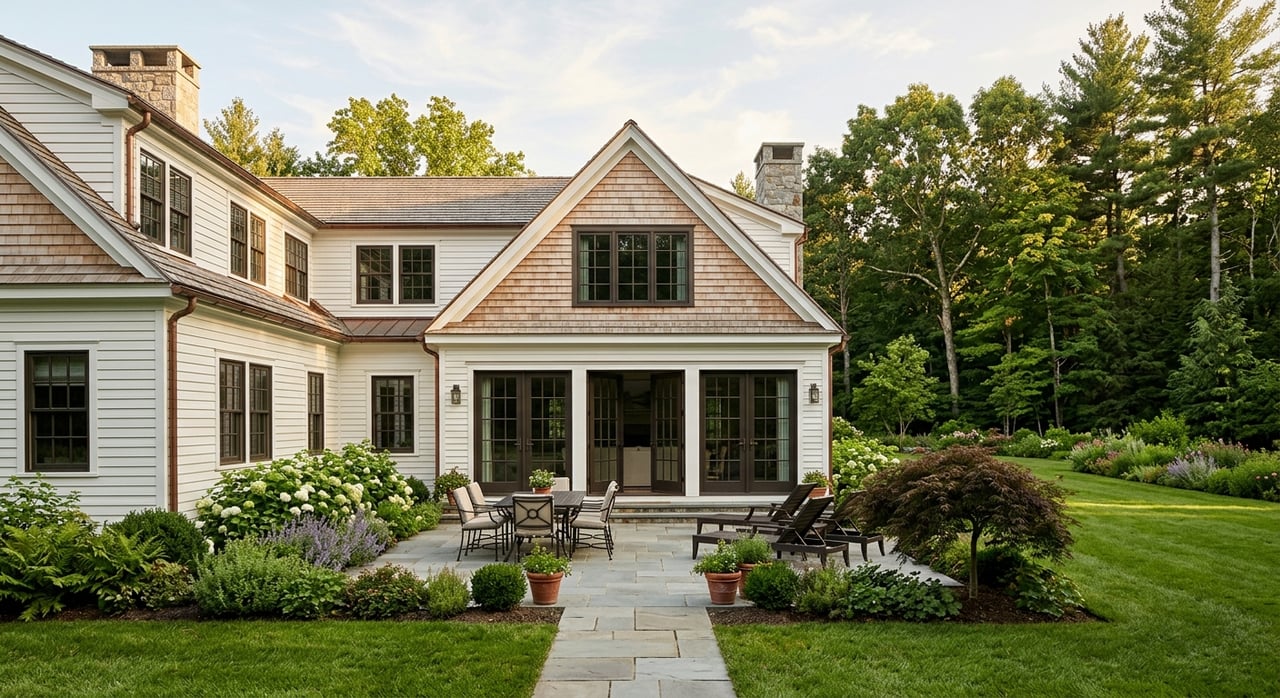
If you are trying to picture the housing stock, think mature residential streets rather than one uniform style. Wellesley’s 2025 draft Strategic Housing Plan describes the town’s single-family housing stock as predominantly older, with a median year built of 1950 and a majority of housing units built before 1960.
In that same plan, Colonial is the most common single-family style at 57%, followed by Garrison at 11% and Cape Cod at 11%. That broad pattern helps explain why buyers often see a mix of traditional forms, mid-century homes, and selective newer rebuilds.
The plan also notes that many newer homes in Wellesley reflect demolition and rebuild activity rather than construction on previously vacant land. For you as a buyer or seller, that means change in the area often happens within an already established neighborhood framework.
Why buyers are drawn to Wellesley Hills
Wellesley Hills appeals to buyers who want a setting that balances convenience and character. You have a village center, grocery options, commuter rail access, and one of the town’s best-known trail connections all in the same general area.
That combination can be hard to find. In some places, you get charming streets but limited day-to-day convenience. In others, you get access and errands but less of a village identity. Wellesley Hills offers a more blended experience.
For buyers considering premium single-family homes, that blend often matters as much as square footage or finishes. The surrounding context can shape how a home feels to live in over the long term.
What sellers should understand
If you own a home in Wellesley Hills, your property is part of a location story that buyers can quickly understand. The area’s appeal is not just about the house itself. It is also about access to trails, village-scale errands, commuter options, and an established neighborhood feel.
That means strong marketing should present both the home and the lifestyle around it. Buyers often respond best when they can clearly picture how the location supports everyday routines.
For higher-end homes especially, details about setting and convenience can carry real weight. A measured, well-prepared listing strategy helps connect those details to the right audience.
Is Wellesley Hills right for you?
Wellesley Hills may be a strong fit if you want a part of Wellesley that feels connected and livable on an everyday basis. The mix of shops and services, transportation options, outdoor access, and mature housing stock gives it a practical appeal that goes beyond first impressions.
It may be especially worth a closer look if you value being near a commuter rail stop, enjoy walking or biking as part of your routine, or prefer a neighborhood with a clearly defined village center. If that sounds like your pace, Wellesley Hills deserves a place on your shortlist.
If you are weighing a move to Wellesley Hills, preparing to sell, or planning a longer-term real estate decision in Wellesley, working with a local advisor can help you evaluate not just inventory, but fit. To schedule a private market consultation, connect with The Charney Group.
FAQs
What makes Wellesley Hills feel local within Wellesley?
- Wellesley Hills stands out for its village-scale mix of errands, dining, the Hills Branch Library, commuter rail access, and the Brook Path connection into the village center.
How easy is commuting from Wellesley Hills?
- The town identifies Wellesley Hills as one of Wellesley’s commuter rail stops on the Framingham/Worcester line, and local mobility options also include Catch Connect, Route 1 service along Route 9, bike racks at stations, and business-district parking.
What outdoor feature defines Wellesley Hills most?
- Fuller Brook Park, also known as the Brook Path, is the town’s most popular trail for walking, jogging, and bicycling, and its northern end reaches Washington Street in Wellesley Hills.
What kind of homes should buyers expect in Wellesley Hills?
- Buyers should picture mostly older single-family homes within mature residential streets, with Colonial styles especially common across Wellesley, along with Garrison, Cape Cod, and some newer rebuilds.
Do you need a car for daily life in Wellesley Hills?
- Not for every trip, since the town describes commuter rail, Catch Connect, Route 1 service, and trail connections as car-free options, though many households still use a car for some errands and daily logistics.